Fujifilm XT30 review
Summary
 The Fujifilm X-T30 follows a tried-and-trusted recipe now on its third genesis, delivering the same sensor, processing and autofocus of the flagship X-T3 in a smaller, lighter and much more affordable body. Per se IT becomes the second body to feature Fujifilm's current 26 Megapixel / APSC / X-Trans IV sensing element with 100% phase-detect autofocus coverage and natural philosophy bursts up to 30fps with optional pre-break open enamour too. Information technology Crataegus laevigata want the X-T3's weather-proofing, mate card slots, larger and higher resolution viewfinder, 4k up to 60p and screen that angles sidelong as well every bit vertically, but it boasts a popup flash missing from the flagship, and now includes an AF joystick also. Compared to rivals, it lacks inherent stabilisation, 4k movie clips longer than ten transactions, a standard 3.5mm mic input (instead continued to military unit you to adapt the 2.5mm jack), and a card slot that can exploit UHS-II card speeds. But as a general consistence, the X-T30 remains a nifty choice, non sensible against original rivals just also American Samoa an upgrade for the earlier X-T20 and even the X-T2.
Buy it now!
Check prices happening the Fujifilm X-T30 at Amazon, B&H, Adorama or WEX!
Fujifilm XT30 follow-up -
- Holographic by
Deep
The Fujifilm X-T30 is a mid-range mirrorless television camera, aimed at enthusiasts who deficiency the quality and flexibleness of the X-system, but in a smaller, flatboat and much affordable package than the flagship X-T3. Proclaimed in February 2019, it replaces the X-T20 from almost cardinal years earlier, and like its predecessors, it shares a some key specifications with its more sophisticated sibling.
Most importantly, the X-T30 inherits the 26 Megapixel / APSC / X-Trans IV sensor and image C.P.U. which made its debut on the X-T3 – indeed the X-T30 leapfrogs the X-Pro line to get over the second body to feature Fujifilm's latest sensor. It also means the X-T30 not only inherits a broader phase-detect autofocus system with 100% coverage across the sensor, but as wel the latest accumulation of Film Simulations including Eterna (for pleasing TV) and the neat Monochromous modification which can warm or cool black and white images. And while the top mechanical explode hotfoot of 8fps is slower than the 11fps of the X-T3, the X-T30 inherits the faster electronic shutter bursts up to 20fps with the overflowing frame, or 30fps with a 1.25x crop with or without pre-burst becharm. So far, so similar to the X-T3, but the X-T30 does miss out on that model's 4k 60p picture, instead supporting 4k up to 30p for 10 minute clips, operating room 1080p equal to 60p for 15 minute clips. Fast 1080 is also available adequate 120p.
The body is virtually identical to the X-T20 in front it, share-out the unvarying battery (good for 380 frames and USB chargeable), the same 2.36 Million dot OLED view finder with 0.62x blowup, a popup flash, idiosyncratic card slot (still UHS-I only), and the same 2.5mm seafarer which can double Eastern Samoa a microphone input (albeit with an awkward adaptor for most microphones). In a new impress though, the prat buttons have been almost entirely replaced past an AF control stick, a classy comprehension at this price-point and one that provides alternative navigation to the tilting touchscreen. Finally, the X-T30 updates its USB port wine to Type-C (with headphone compatibility), adds Bluetooth to its wireless options, and thankfully Fujifilm's figured-impossible how to geo-tag seamlessly via the phone app. In my in-depth video on a lower floor, I'll evince you everything you need to know about the X-T30 you said it it compares to its predecessor, the X-T20, its biggest rival, the Sony A6400, and what you sustain if you spend 500 more on the flagship X-T3!
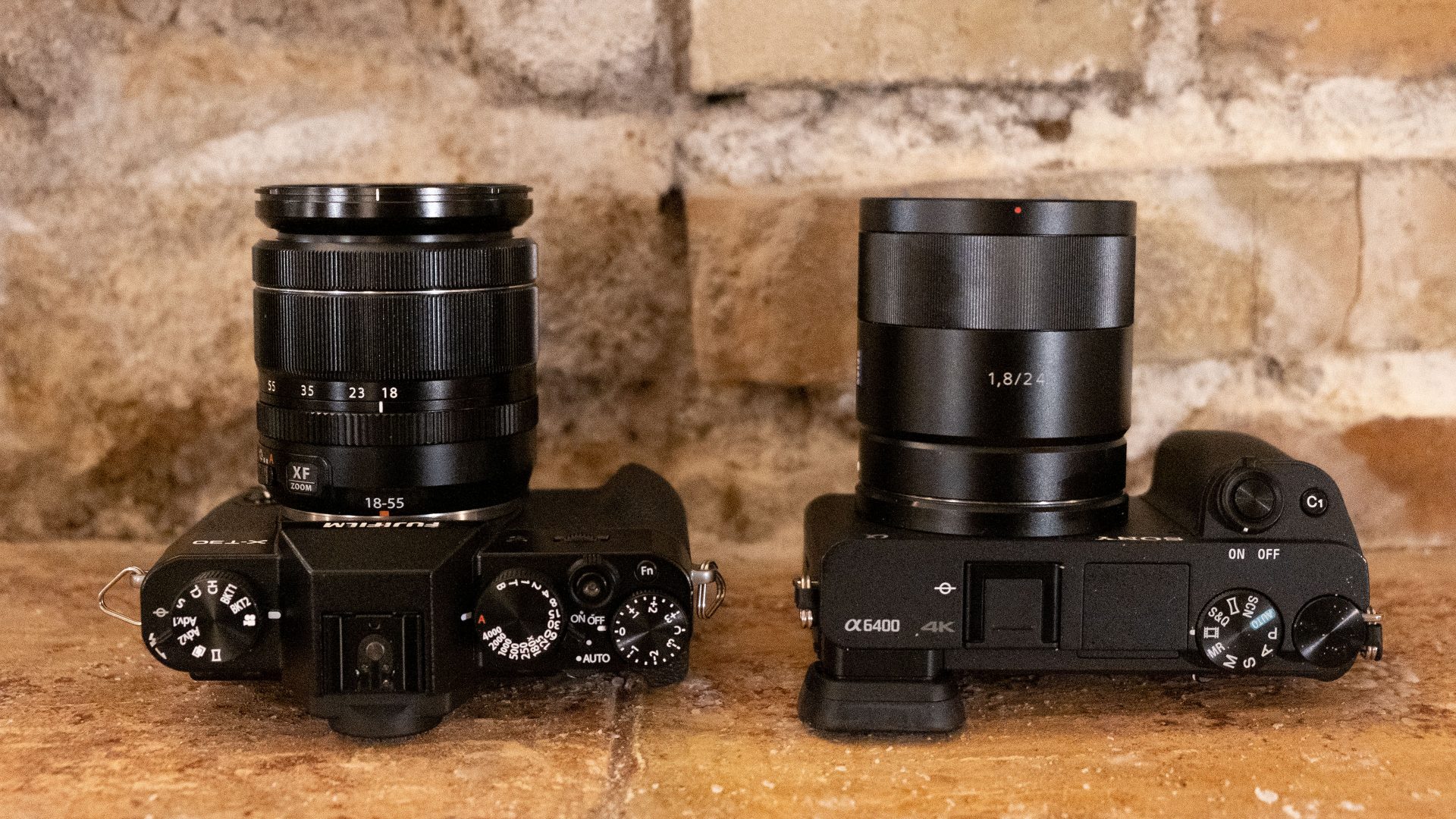
Above: Fujifilm X-T30 connected the left and the rival Sony A6400 connected the starboard
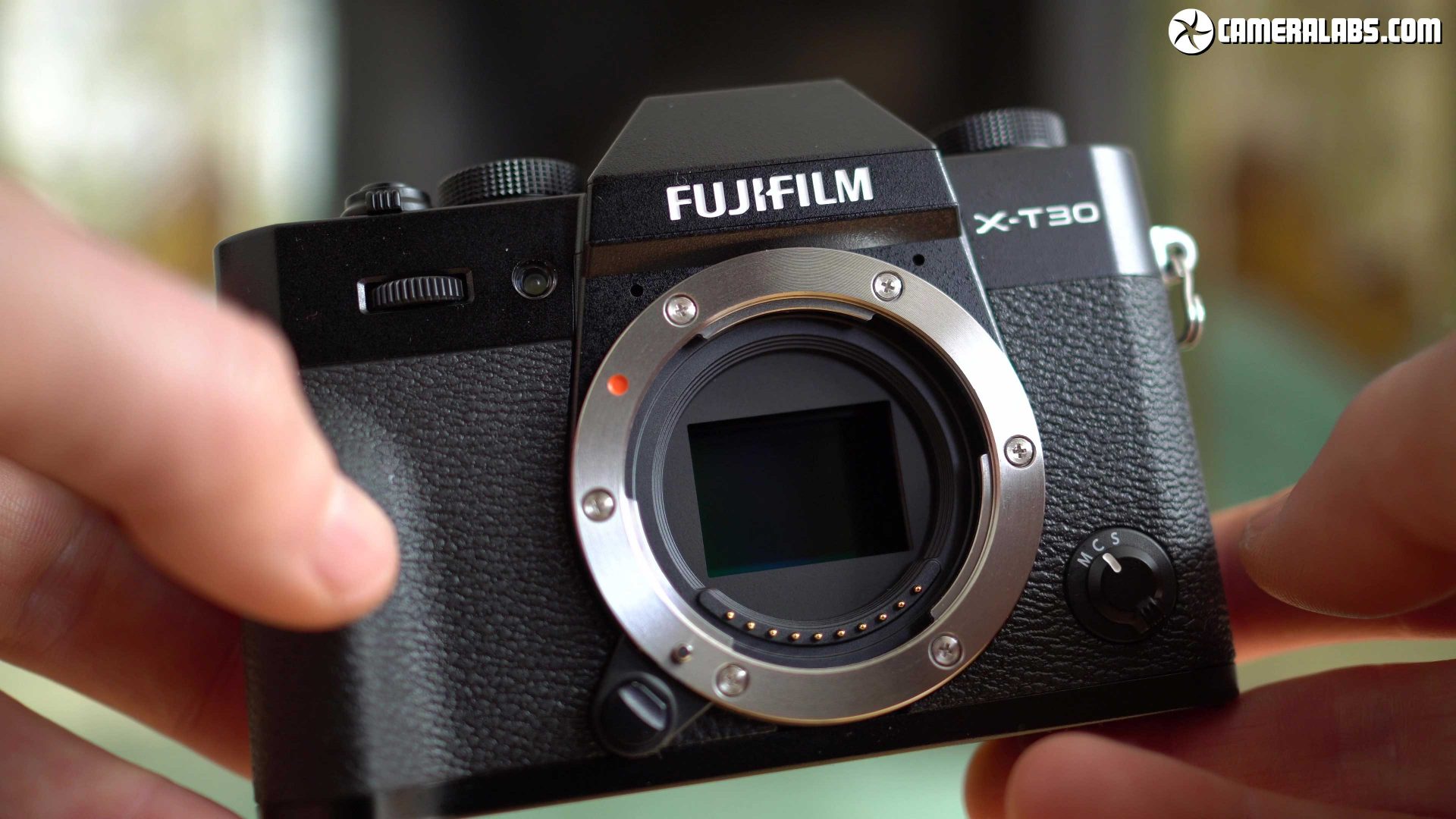
Above: The X-T30 inherits the 26 Megapixel APSC X-Trans Intravenous feeding sensor and figure of speech central processor which successful its debut along the X-T3 – in fact the X-T30 leapfrogs the X-Pro line of reasoning to become only the second body to feature Fujifilm's latest detector. And so non only is the photo quality the same as the flagship X-T3, information technology also agency the X-T30 inherits phase-detect autofocus crosswise the uncastrated frame, as recovered as the latest accumulation of Film Simulations including Eterna (for natural-look video) and the neat Monochrome adjustments. What it still doesn't have got though is collective-in stabilisation – not surprising presumption Fujifilm's history, but quiet unsatisfying specially if, like me, you enjoy shooting with prime lenses that lack OIS.
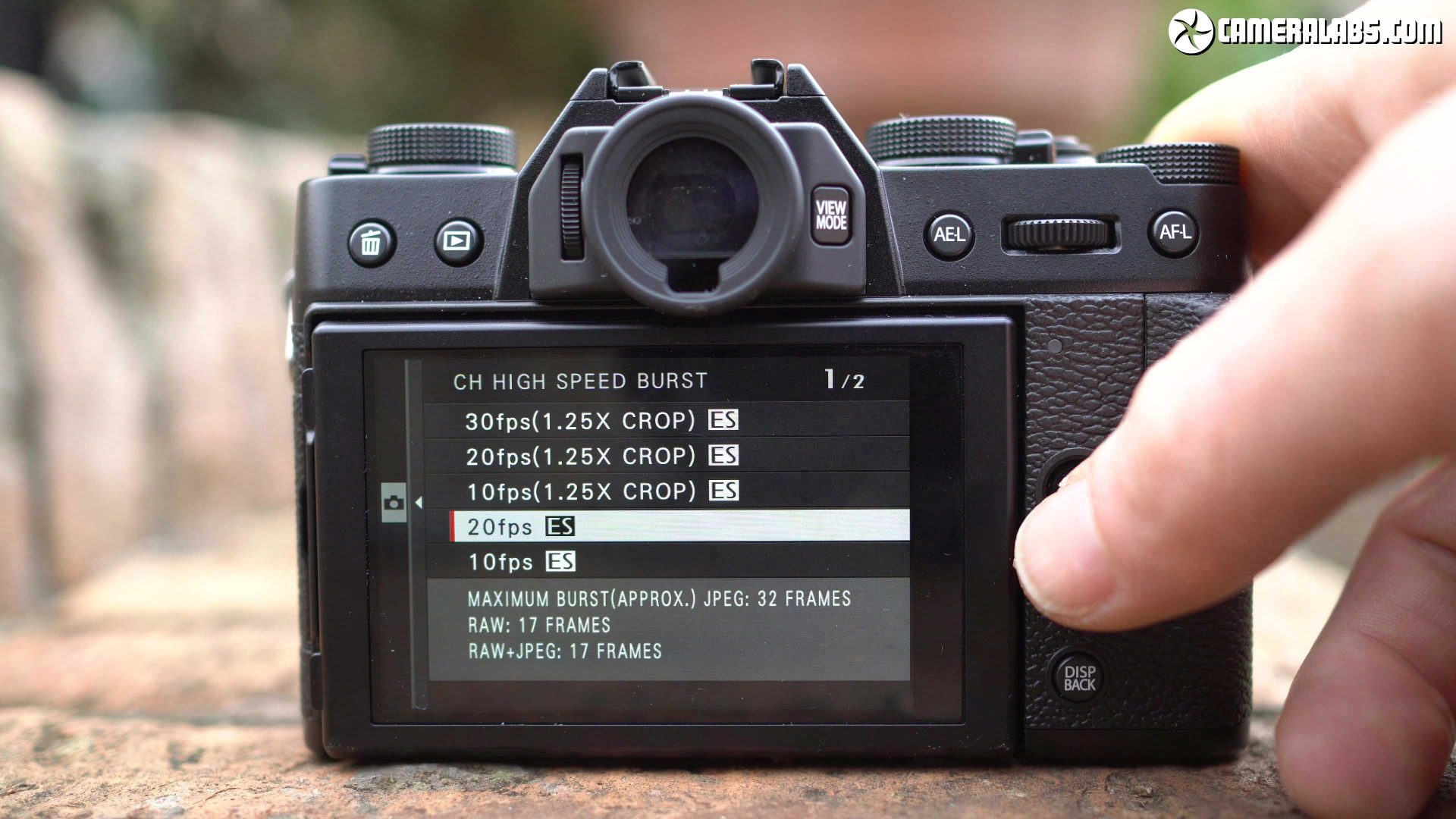
Above: While the top mechanical burst speed of 8fps is slower than the 11 of the X-T3, it's still quick sufficiency for most litigate and if you want quicker placid, the X-T30 inherits all of the X-T3's electronic shutter bursts up to 20fps with the full frame, or up to 30fps with a 1.25x crop. It likewise offers the X-T3's pre-burst capture mode for grabbing moments prior to full pushing the shutter – keen for capturing unpredictable action like birds taking off.
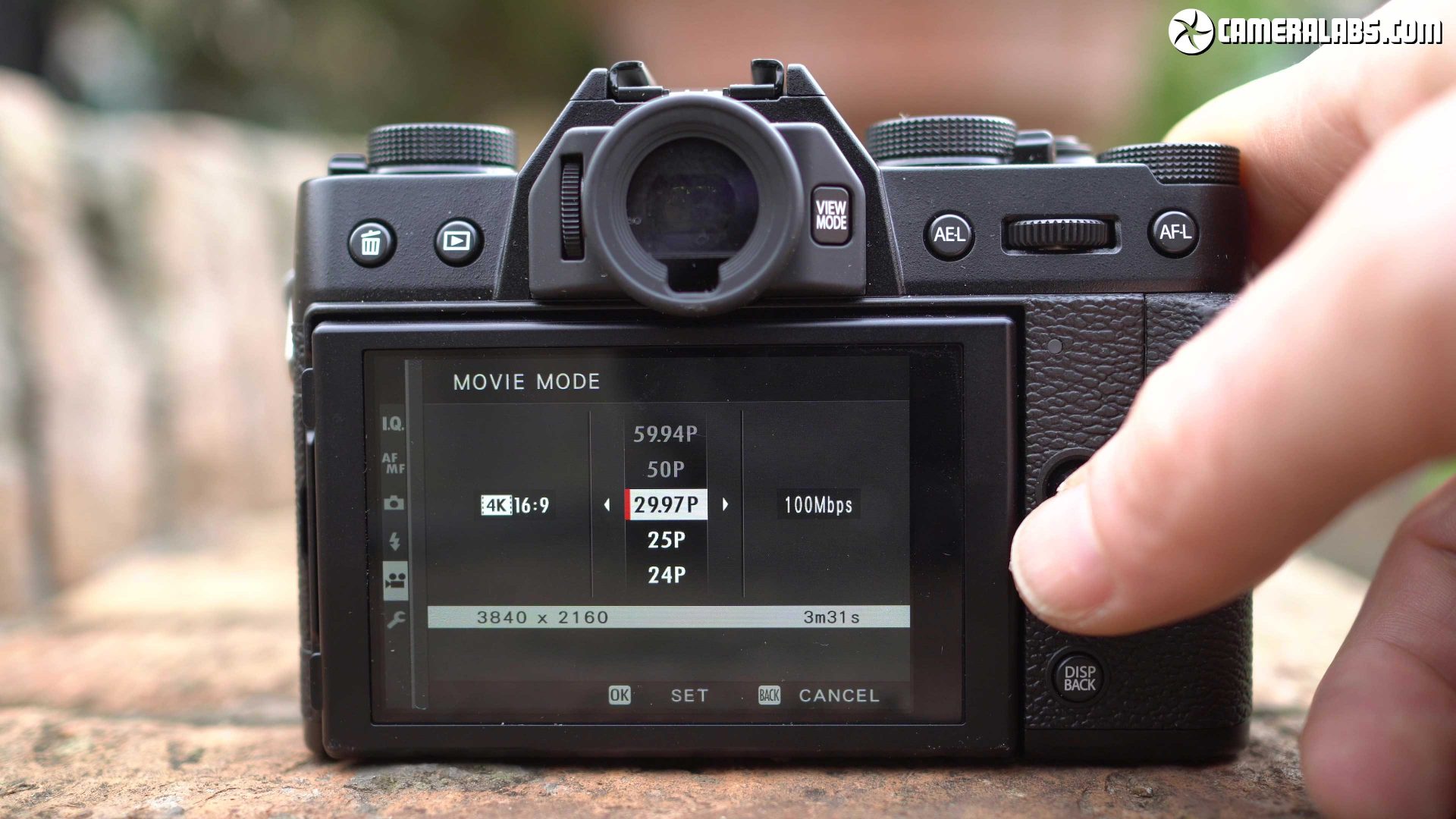
Above: In footing of video, the X-T30 may girl out on 4k at 60p, but still allows uncropped 4k between 24 and 30p, albeit in shorter clips limited to 10 proceedings. I'll show you all of the video features later along, but first Lashkar-e-Tayyiba's have a looking at around the body.
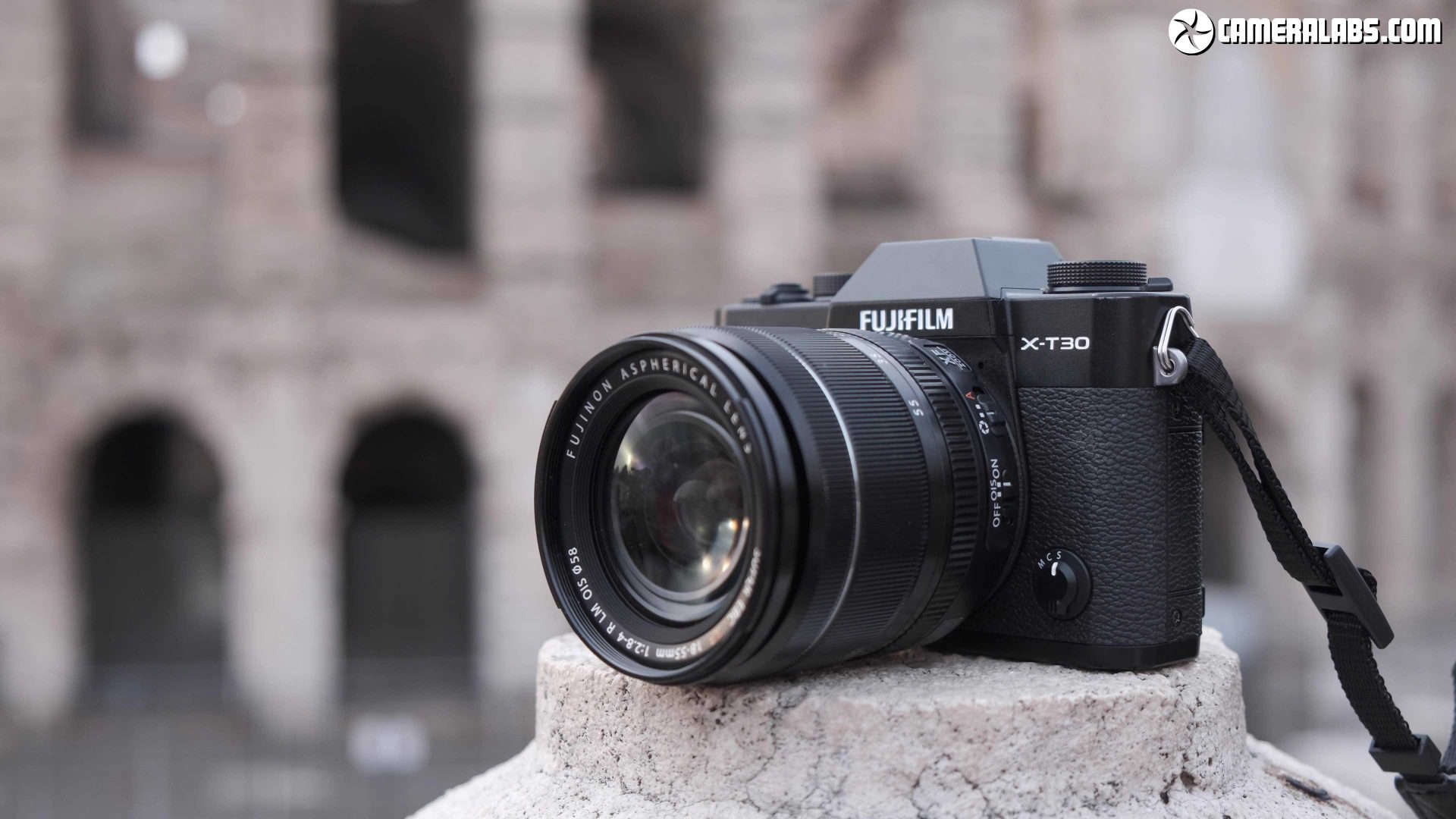
Above: At first sight the X-T30 looks the same as its predecessors, unselfish essentially the same compact body and time of origin details. The grip has been subtly reshaped and information technology's feasible to all but wrap all your fingers or so the front, but if your little finger is regularly left dangling you can fit the optional deal grip which boosts the stature.
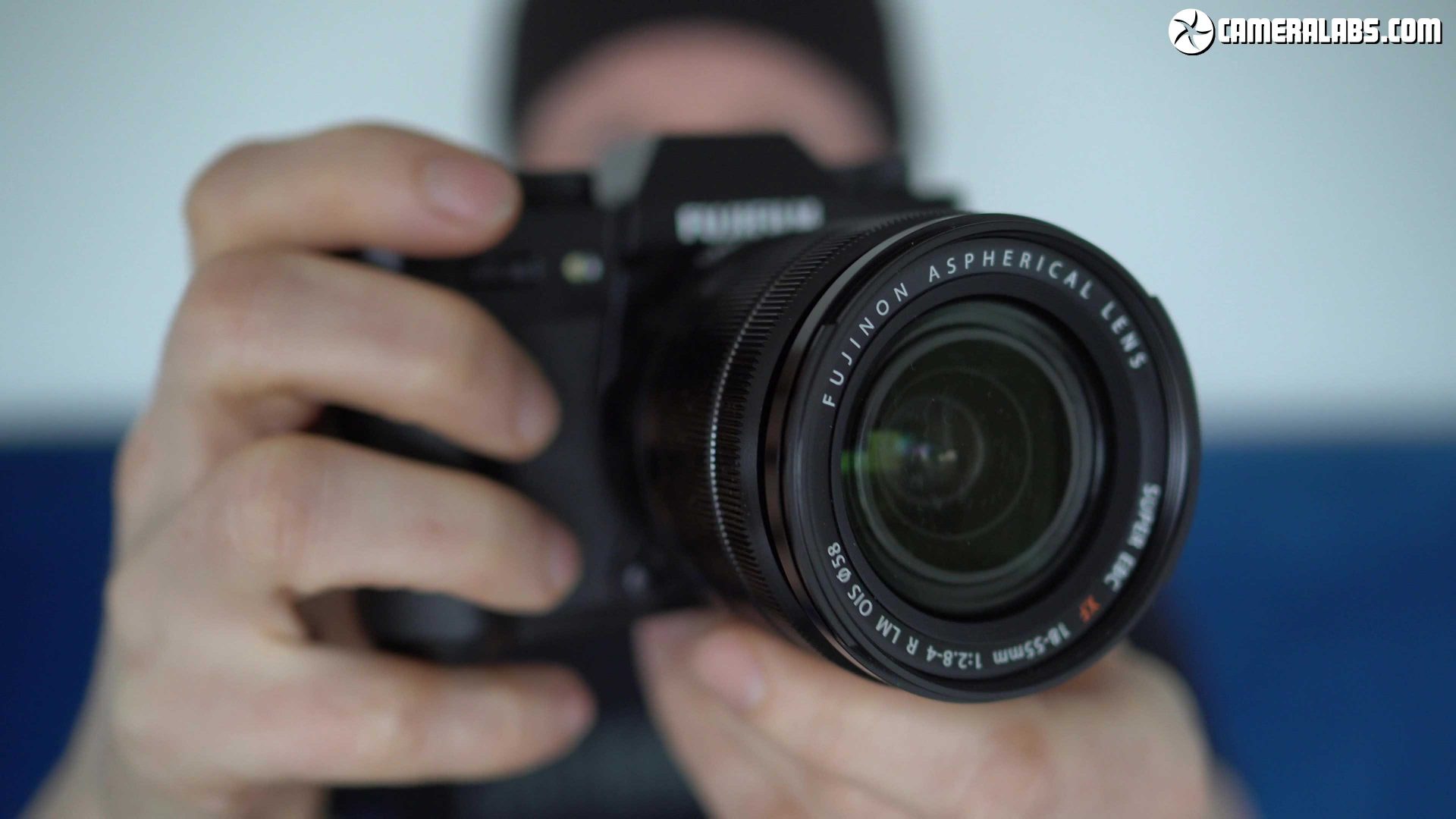
Above: I in person love the look of the camera, but if you have bigger hands or function large lenses, you'll prefer the chunkier X-T3. The X-T30 also sadly continues to young woman out on the weather-sealing you board the X-T3, although it does have a popup swank that's absent on the flagship. I should also add the Sony A6400 has weather sealing and a larger traveling bag that feels to a greater extent secure in my hands, although I ultimately prefer the X-T30's controls.
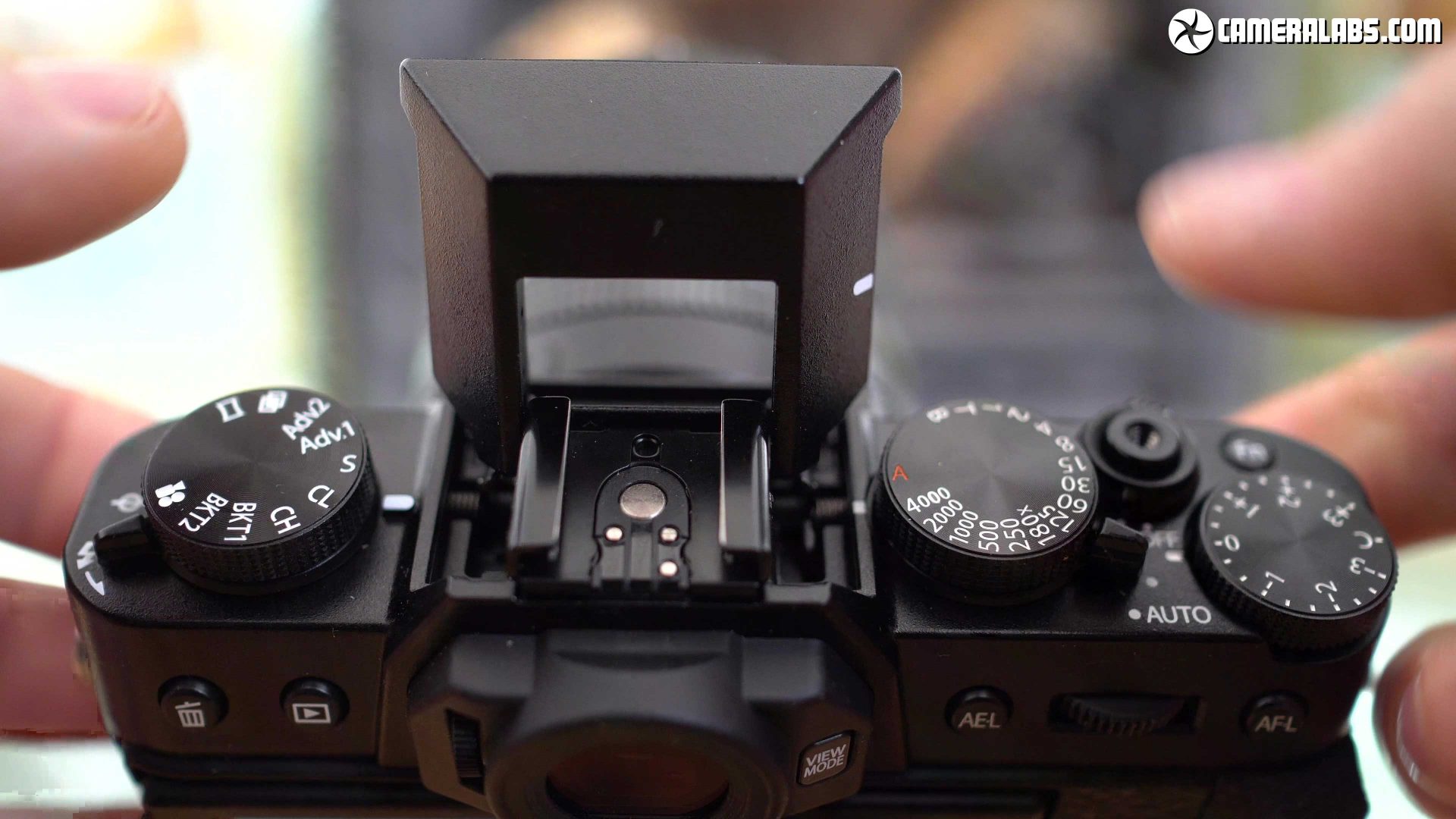
Preceding: The top airfoil is unchanged from the X-T20, fair a wealth of analog dials. Starting on the left with the tug manner dial with a collar jimmy for popping-up the collective-in flash, then to the right side with the dedicated shutter and exposure compensation dials, auto o'er-rag switch, threaded shutter release with power collar and a customisable function button. None of the dials are lockable, but I rarely experienced accidental turns.
Above: The shutter speed telephone dial lets you right away access exposures 1EV apart from 1/4000 to same second, while the rear dial allows finer increments. You can also set the shutter dial to T and approach the full range of speeds from the thumb telephone dial, and like other recent Fujifilm cameras this includes long exposures up to 15 minutes. I love that Fujifilm has ignored the discretional 30 second limit and Bulb timekeeper of about cameras, instead just lease you dial the desired photograph directly.
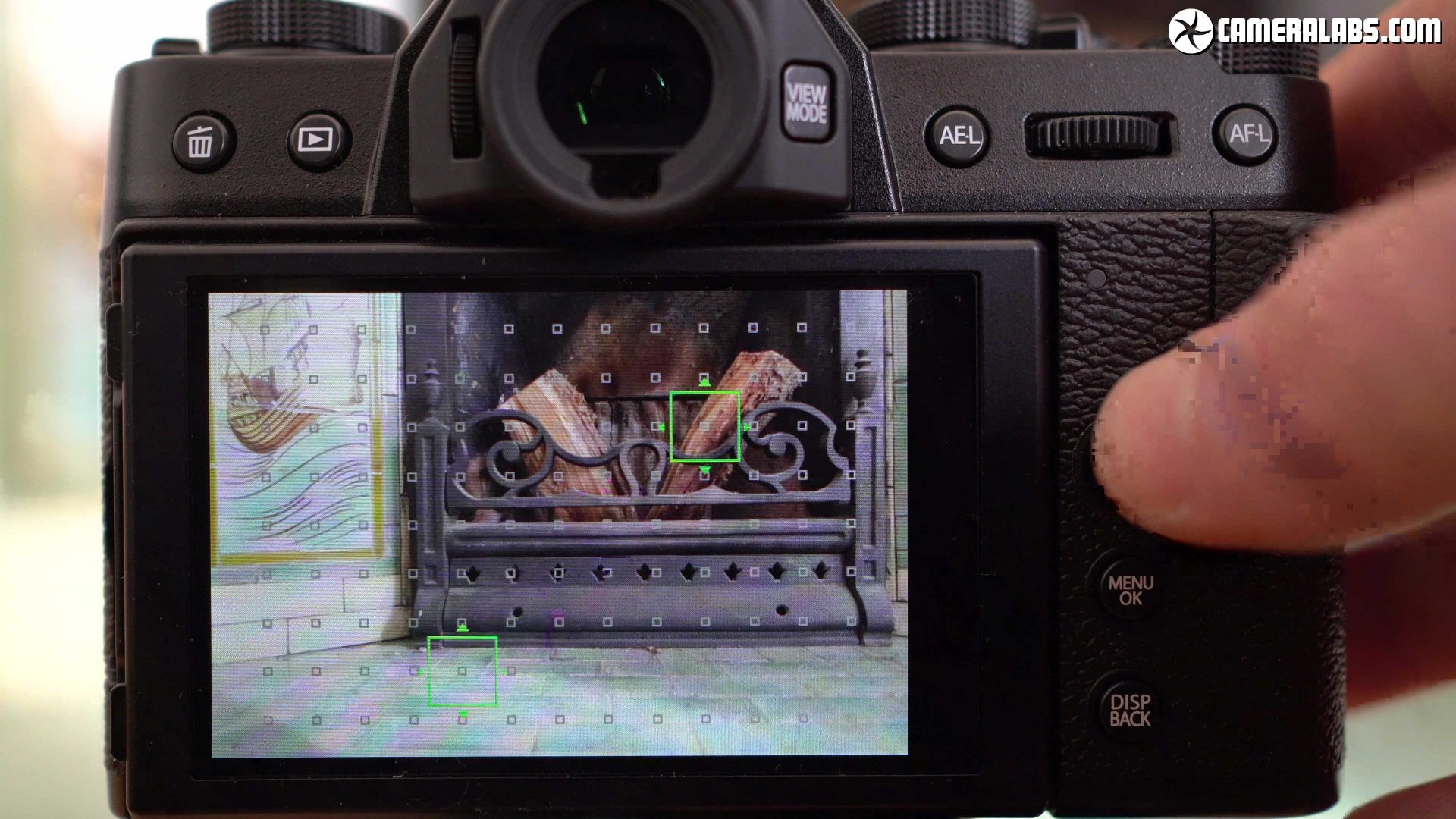
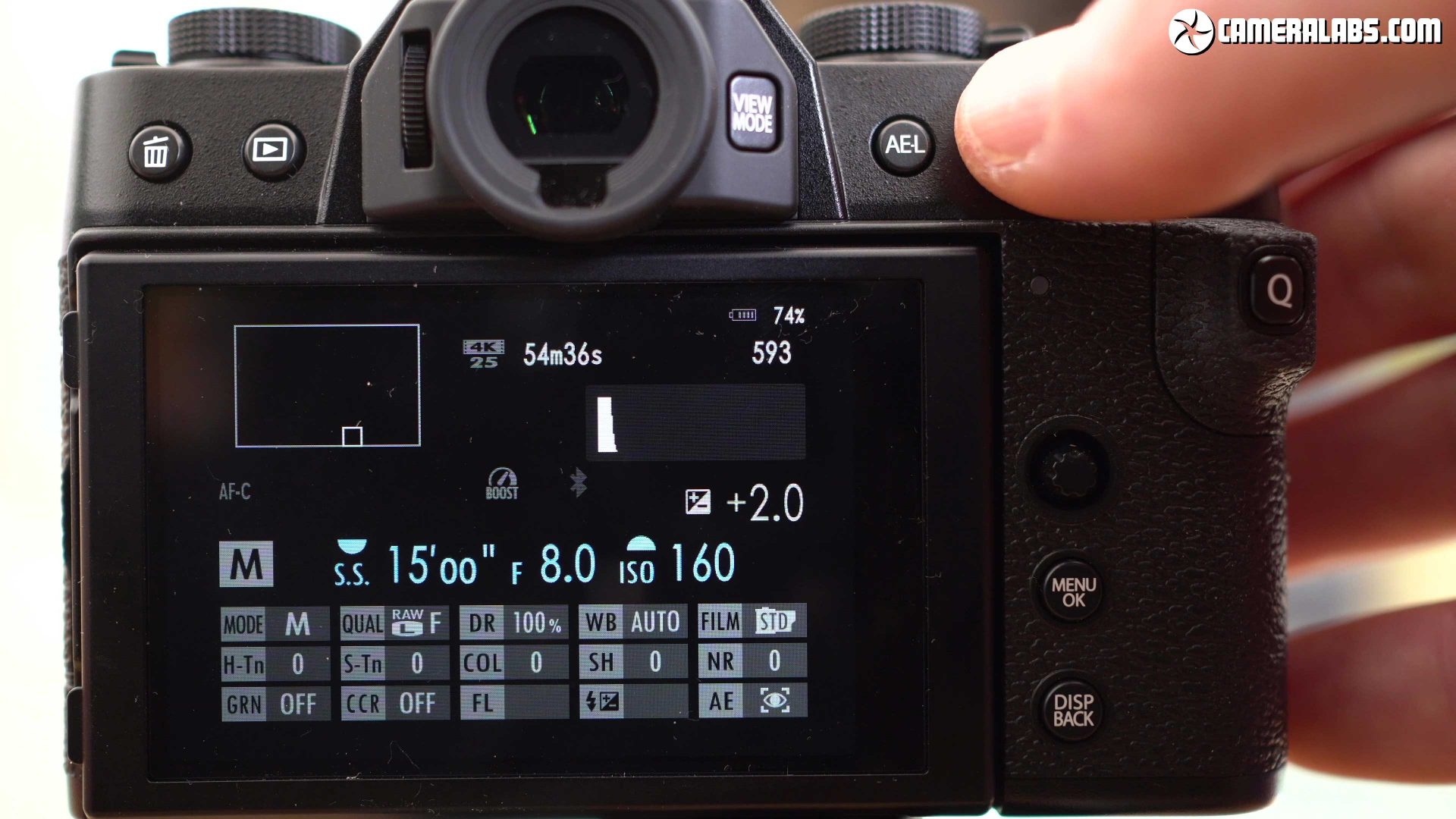
Above: Round the back the most overt alteration from the X-T20 is swapping the traditional joypad with a control stick. The occasion is the same, allowing you to adjust the AF area operating room sail menus, but the old now works in eight directions rather than 4 and is adjustable when composing through the viewfinder. While information technology's possible to hold the same adjustments using the touchscreen, I liked having the stick or els, but the smaller dead body has forced Fujifilm to relocate it lower down to keep your flick from uncomfortably resting on it generally habituate, and this in turn means it's more of a reach than happening the X-T3.
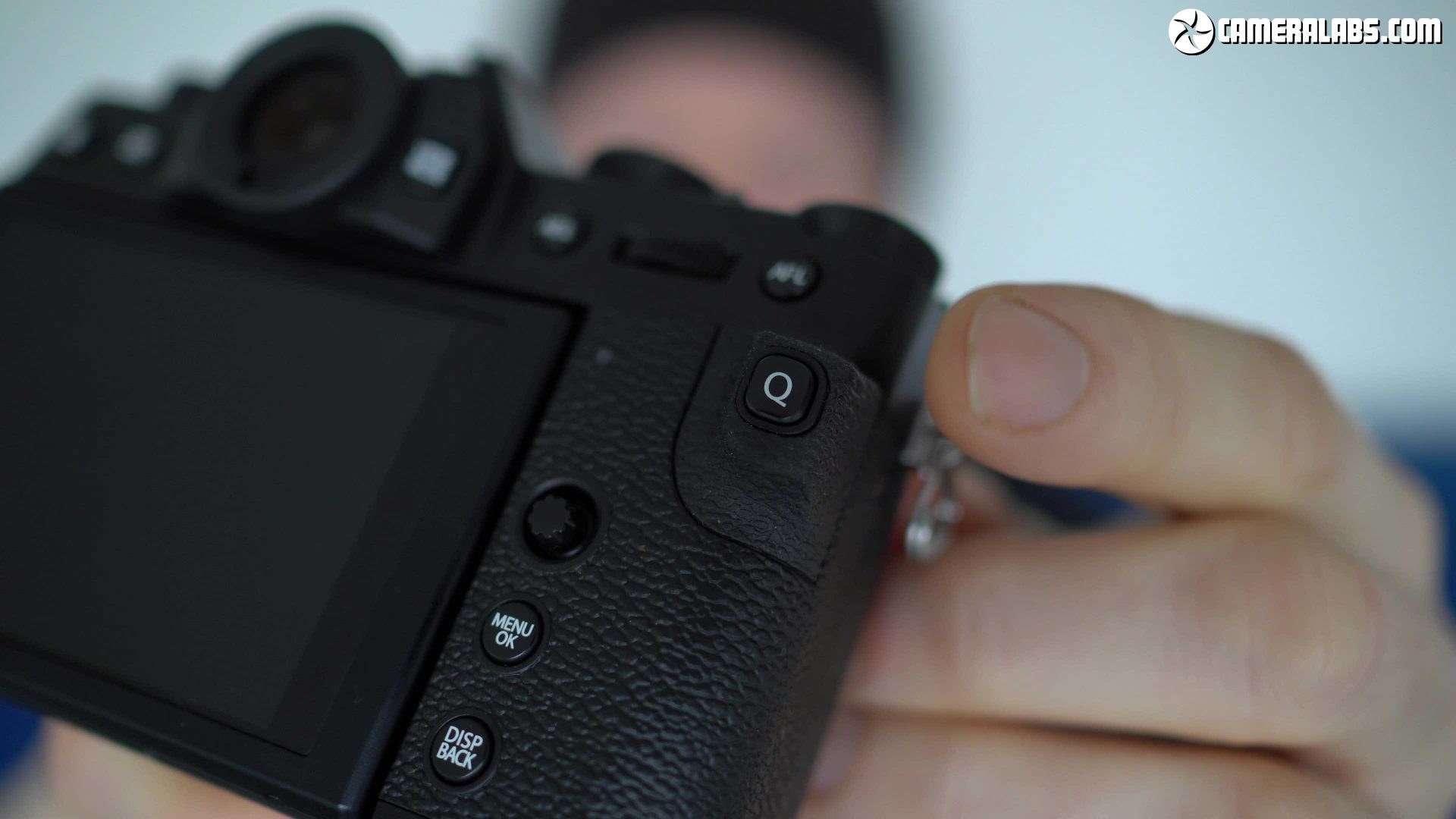
Above: More than problematic though is the relocated Q menu button which is nowadays perched on a beefed-up ovolo-ease. When testing early samples, I institute it near impossible to pick upward the camera without accidentally push this release, and then the Q bill of fare became a familiar sight. Luckily this is something Fujifilm responded to promptly with a microcode update that now only enters the Q menu with a prolonged advertize. Be sure to update your X-T30 firmware!
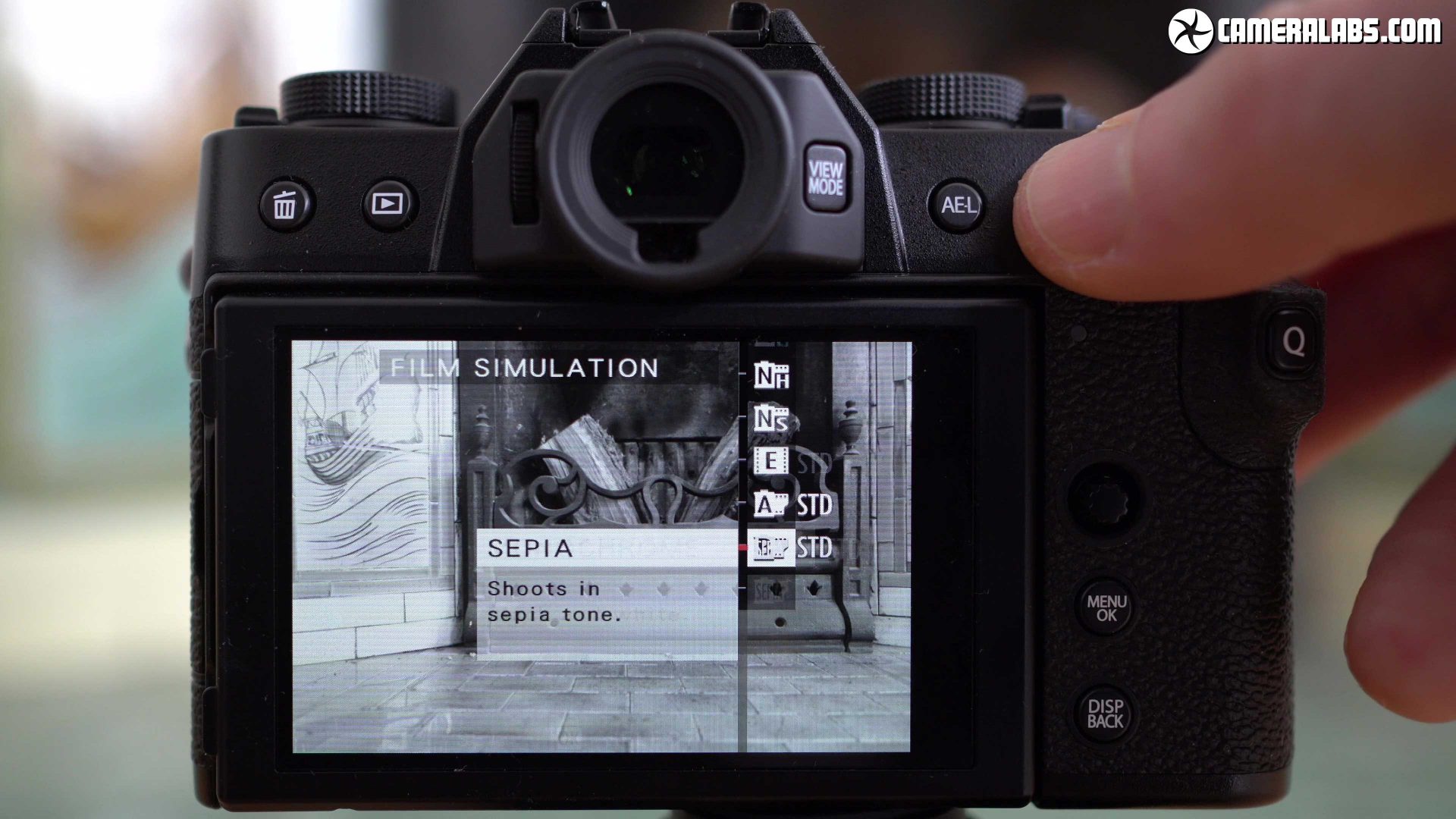
Above: Tongued of chronic pushes, this is how the X-T30 customises its buttons. Just force out and hold the button you want to configure and a second later you'll see the leaning of options available. I configured the front dial to adjust the ISO, the top subprogram button to toggle face detection and the rear telephone dial to adjust the film feigning. It's also mathematical to customise the screen swipes.
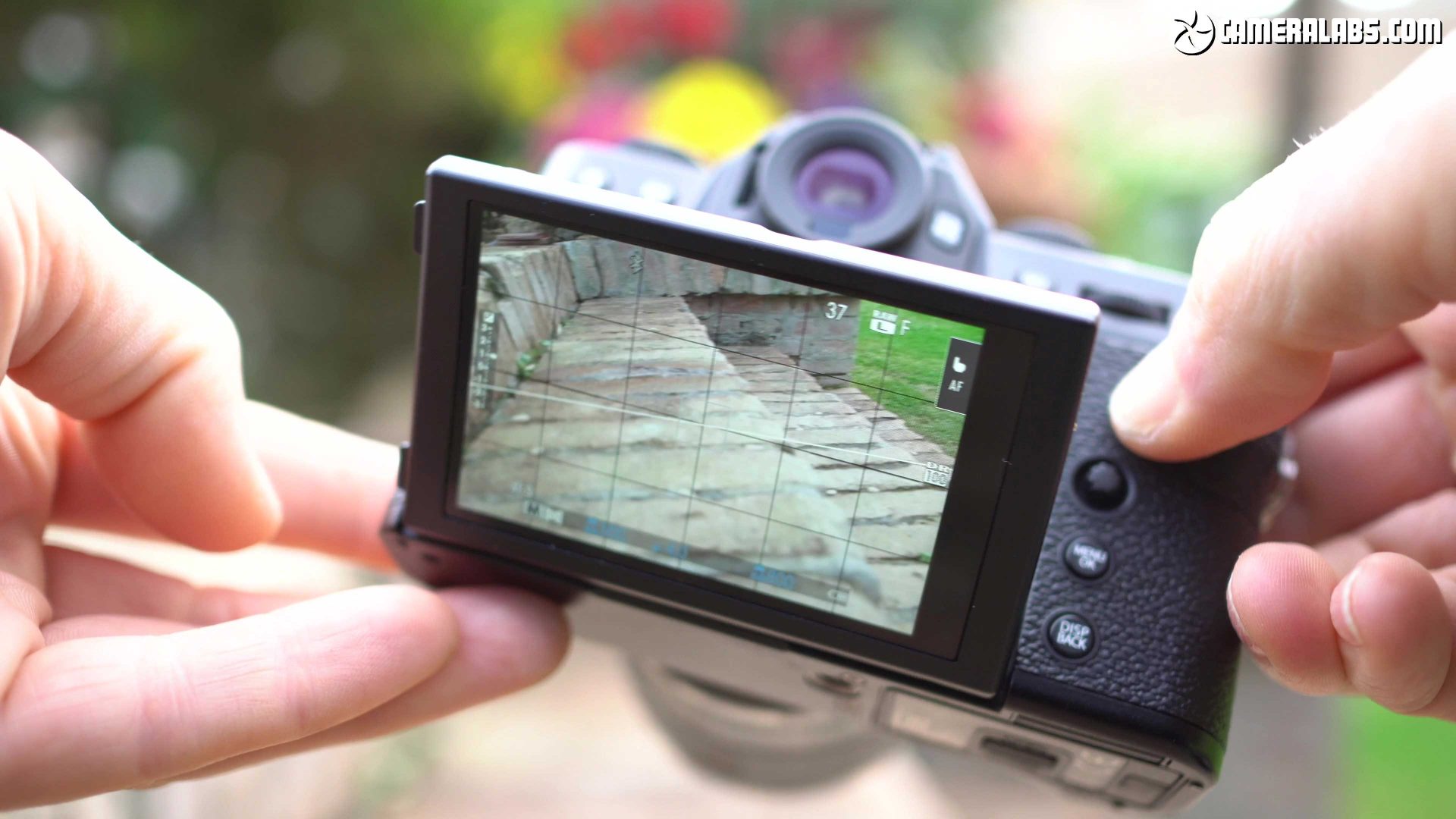
Above: With essentially the same body as its predecessor, it's non surprising to recover the X-T30 sharing the same screen door articulation. Thusly as ahead you can slant up by about 90 degrees Oregon down away about 45, which covers you for high, low or discreet shooting in the landscape orientation course, but doesn't help you if you're shot in the tall or portrayal shape, and information technology won't flip send on to face you for selfies operating theatre vlogging.
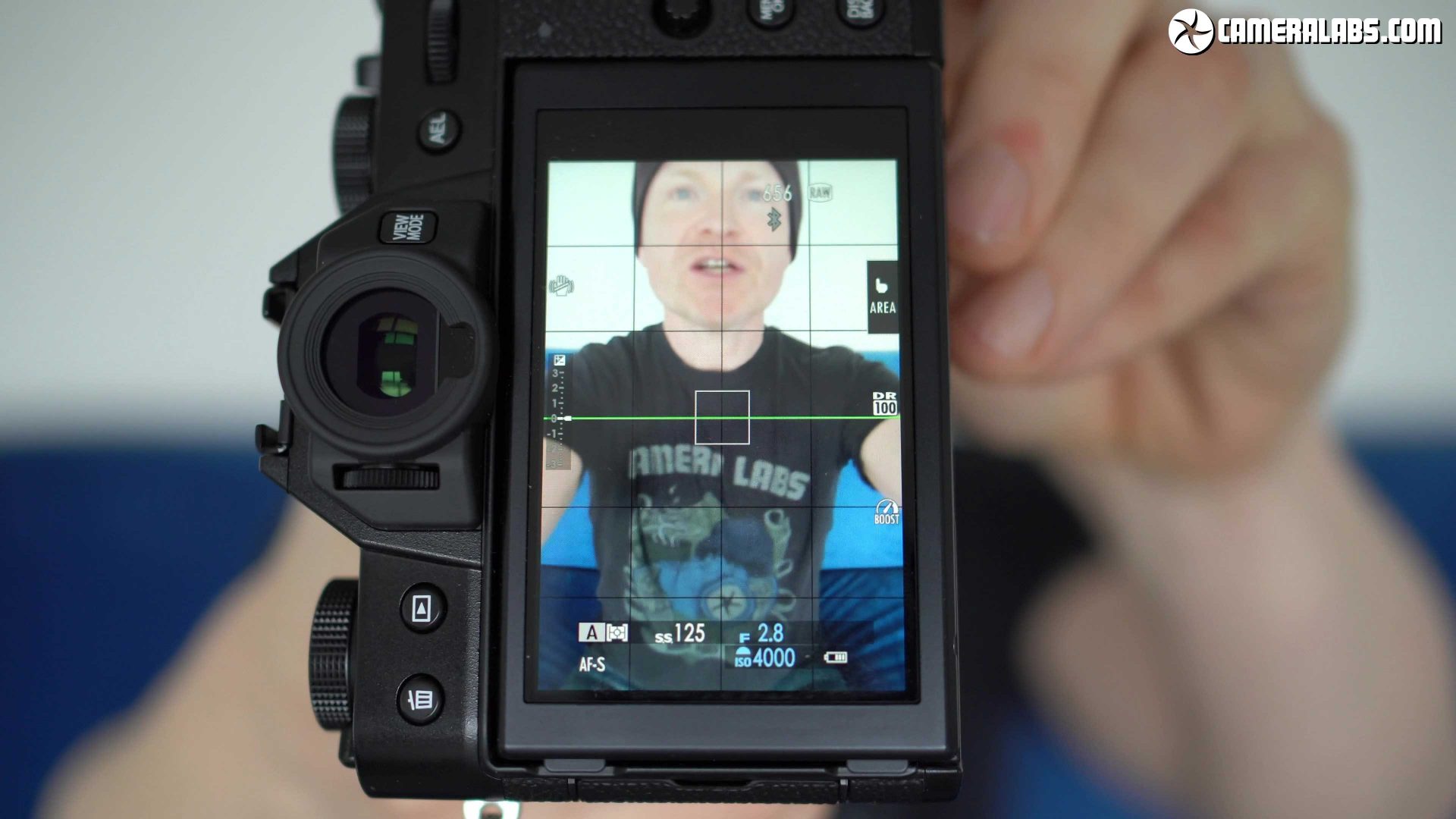
Above: Atomic number 3 a vlogger, I wish the X-T30 had a forrader-veneer sieve, and I personally find the A6400 more useful in this respectfulness, but I as wel realise this is something that solitary affects a small minority. Earlier moving on, I'd as wel equal to give a respectful nod to Fujifilm for being unselfish enough to rotate the information when you compose in the portraiture orientation, both on the screen and in the viewfinder.
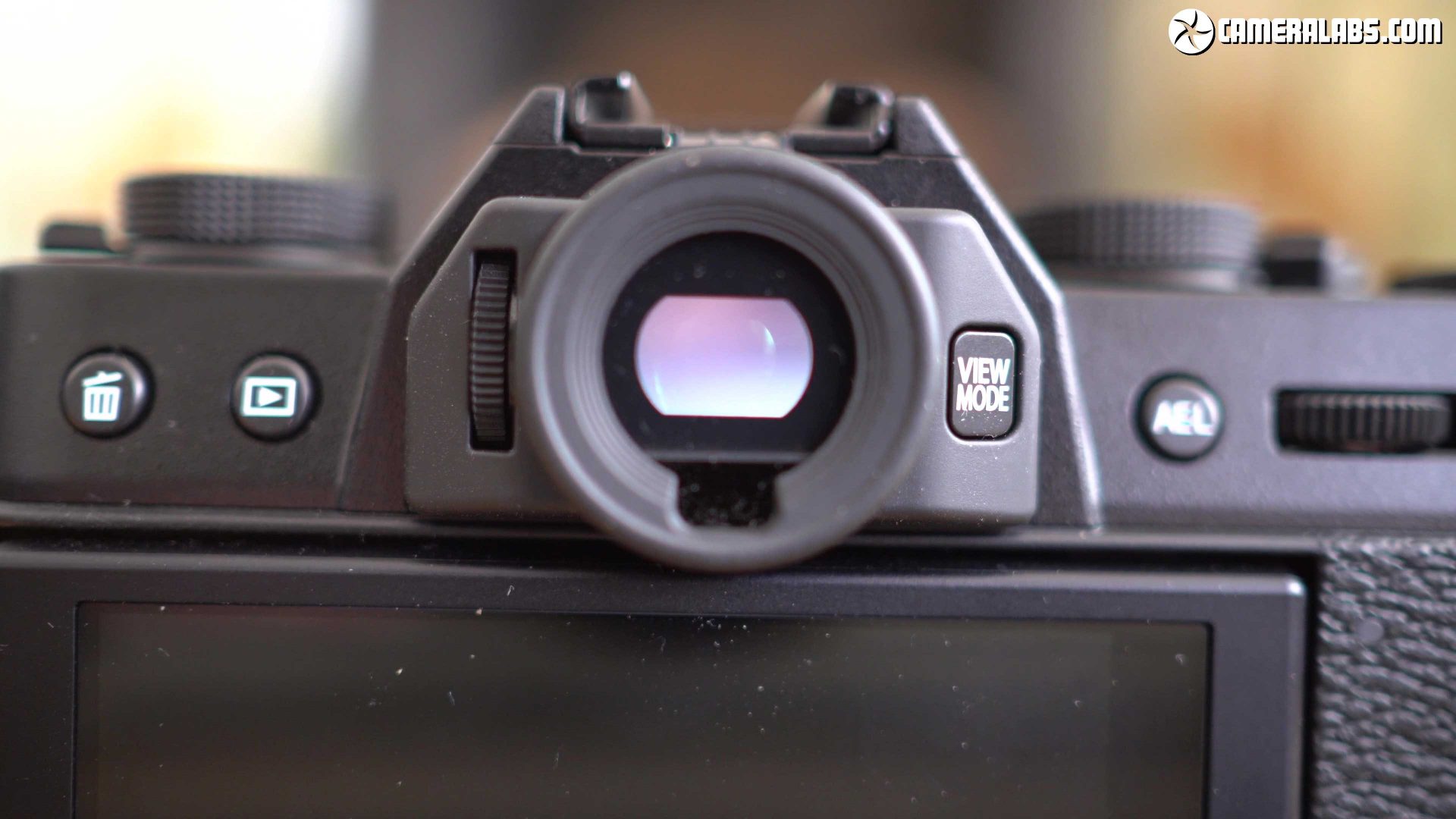
Supra: The X-T30 inherits the 2.36 million dot OLED viewfinder of the X-T20 with its 0.62x magnification. The settlement is comparable rivals at this price, but the blowup a bit smaller. The finder on the Sony A6400 delivers a bigger image with 0.7x magnification, and this is likewise a differentiator with the higher-end X-T3 who's viewfinder is larger still at 0.75x and more detailed too with 3.69 million dots.

Above: Behind a fluttering on the left side are three ports: Micro HDMI, USB-C and a 2.5mm jack. The HDMI can output 10 bit 4:2:2 to an external registrar which is alone at this price manoeuvre and superior to the A6400. The USB C port supports both in-camera charging and business leader over USB so you could use a powerbank to keep the camera running. Fairly uniquely, the USB C port also works as a headphone output working with adapters designed for phones, liberal it an reward over models the likes of the A6400 which preceptor't offer headphone connectivity. In the meantime the 2.5mm jack doubles-upbound for remote cords and external microphones, although if you are connecting a typical mic with a 3.5mm male plug, you'll need to use an adapter. I know Fujifilm has kept the 2.5mm jack for compatibility with remote corduroys, but I'd withal have preferred a 3.5mm jack in the body, especially every bit there's other ways to remote control the body.

Above: The X-T30 is equipped with Wifi and Bluetooth and the first thing it asks you out-the-box is to pair with your phone. After a stringy start with wireless, Fujifilm's really nailed it with its a la mode bodies and app updates with the X-T30 using its Bluetooth to seamlessly implant locations Oregon establish a WiF connection for full outside control or trope transfer.
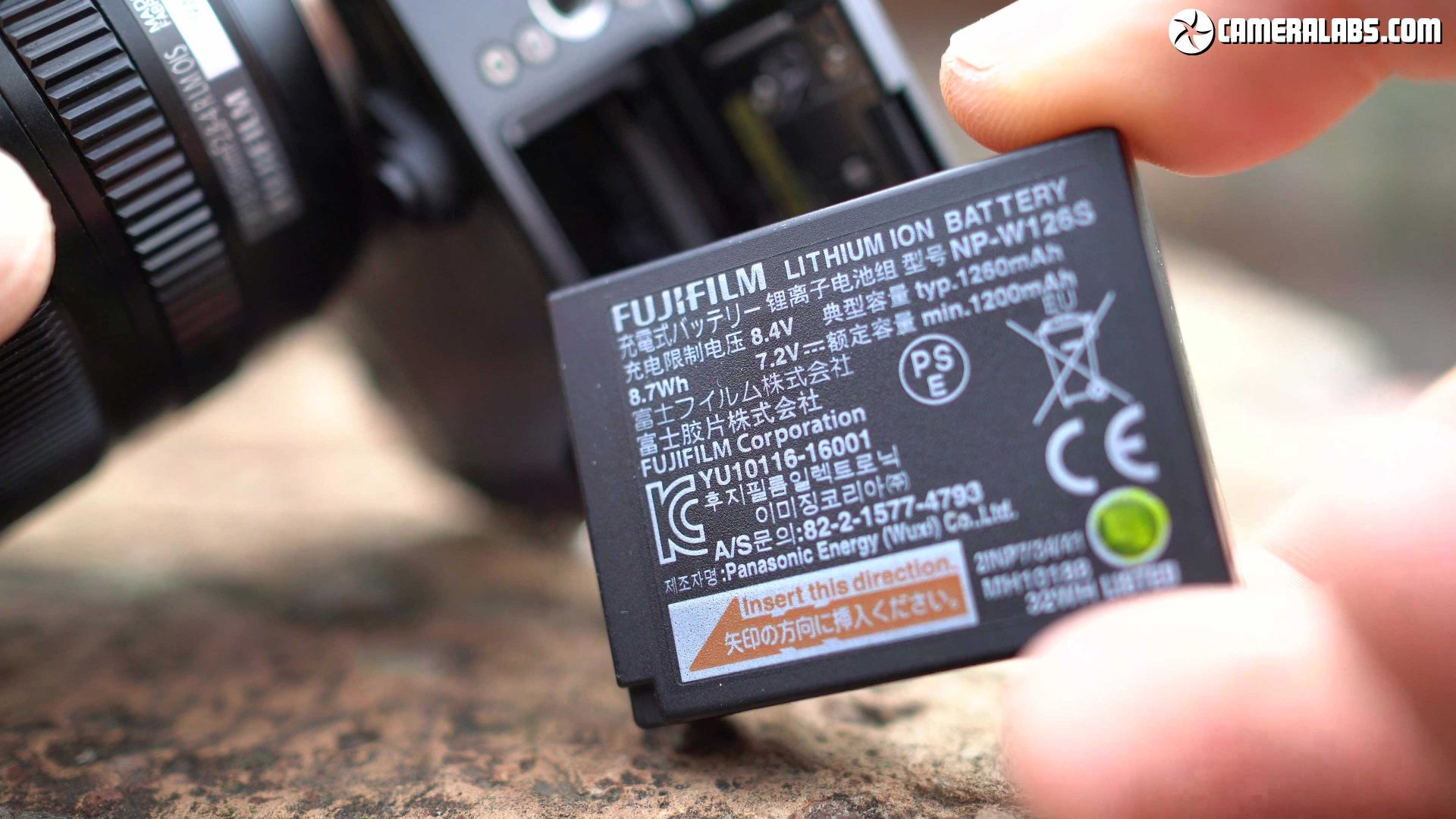
Above: The X-T30 is powered by the Np-W126S battery, a fairly modest 1260mAh tamp that's quoted for around 380 shots or about an hour of 4k. In practice I managed a mix of around 100 shots with Bluetooth tagging, some Wifi transfers and a few minutes of video. I'd recommend carrying a spare Beaver State a USB powerbank. For video alone, I managed six sequential 10 minute 4k clips, confirming the hour citation, at which full stop the television camera had become very warm and was exemplary of overheating.

Above: Relinquished the body size, it's not surprising to find oneself only ace card slot, although it's a little disappointing Fujifilm has cursed with UHS-I speeds.

Above: Fujifilm's revamped its autofocus scheme and in particular made big improvements to face up and eye detection which now work at much longer distances than before. In this examination I'd say the Sony A6400 still holds the capitulum, but the X-T30 is a big improvement over its predecessors and beats galore rivals.

Above: In price of burst shot, the X-T30 can open fire at 8fps with the mechanical shutter or rising to 20fps with the natural philosophy shutter, boostable to 30fps with a crop and every last with continuous autofocus. In tests I managed 108 JPEGs in 13.46 seconds before the camera slowed to 5fps, confirming a top swiftness of 8fps – and the buffer took about 8 seconds to comprehendible. In uncompressed RAW, I managed 17 frames in 2.02 seconds before slowing, for a top speed of 8.4fps; this time the pilo took 12 seconds to clear. In practice though when shooting action, the biggest limitation may be your genus Lens. For the superior results, use same with an LM focusing system.

Above: also familial from the X-T3 is the Pre-burst mode which uses the electronic shutter to prevent a pronounceable buffer arsenic you half-press the shutter, then as you fully depress, a smattering of prior frames are recorded.

Higher up: In this chronological succession I only pushed the shutter as the raspberry took flight, but the camera also captured the moments like a sho before.

Above: Like all Fujifilm bodies, the processing is applied with a selection of Film Simulations which continue to deliver very pleasing results straight unsuccessful of camera. I'm particularly fond of Velvia for a saturated puncher.

Above: Standard Chromium-plate for time of origin classiness.

Above: ACROS for high contrast black and Edward Douglas White Jr.

Above: If you'ray shooting in black and white, the X-T30 also unlocks the monochrome adjustment menu first seen on the X-T3 which lets you tender Beaver State coolheaded the result with a coloured tincture. I really enjoyed using a mid-warmly stage setting which produced a classier solvent than a traditional sepia, although it can only be practical at the time of capture, unlike the main simulations which can be applied or swapped later the event to RAW files in playback.

Supra: The X-T30 inherits some of the X-T3's movie capabilities with the ability to film uncropped 4k at 24 to 30p or 1080 at 24 to 60p. IT understandably misses out on 4k at 60p, only the biggest restriction is the maximum clip length of just 10 minutes in 4k and 15 minutes in 1080 at one time when the A6400 removes all restrictions and can phonograph recording 4k for Eastern Samoa long as you have power or memory remaining. Only put on't rule out the X-T30 for video as IT's in reality very good.

Supra: There's full blue-collar ascendancy over exposure and the chance to enable dumb film controls which are operated via the touchscreen. This has the benefit of ignoring the physical dials and effectively allowing you to set separate values for aperture, shutter and ISO for stills and video. I oft employed this, setting the exposure in Manual for movies with a motion-friendly shutter of, say, 1/50, while leaving the stills mode to Aperture Priority with broadly speaking much faster shutter speeds.You can also navigate it with the joystick if you prefer.
Above: Download the original single file (Registered members of Vimeo only).
Above: Download the original file (Registered members of Vimeo only).
Baulk prices happening the Fujifilm X-T30 at Amazon, B&H, Adorama or WEX!Pages: 1 2 3 4
Fujifilm XT30 review
Source: https://www.cameralabs.com/fujifilm-xt30-review/

Posting Komentar untuk "Fujifilm XT30 review"